
CHOOSING THE RIGHT DIVORCE ATTORNEY IS A PRACTICAL DECISION, NOT JUST A LEGAL ONE
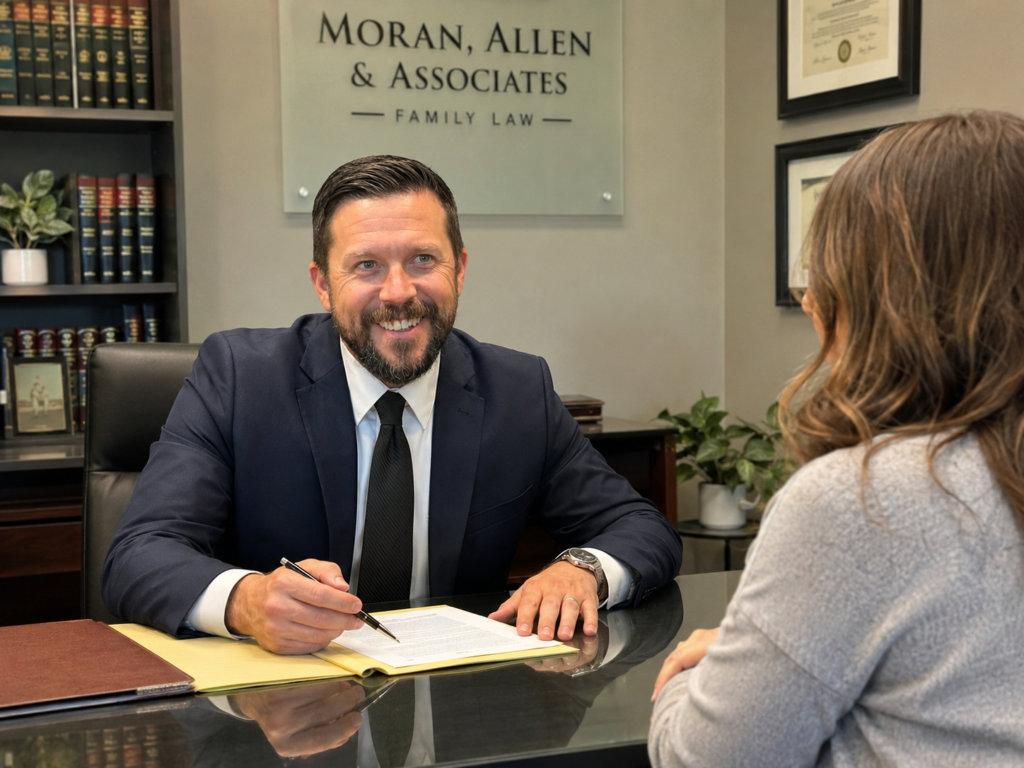
When you are facing divorce in Woodland Park or elsewhere in Teller County, choosing the right attorney can affect far more than paperwork. It can affect how prepared you feel, how clearly you understand your options, and how well your case is organized from the beginning.
Divorce often touches almost every part of daily life. You may be dealing with parenting time, decision-making responsibility, child support, maintenance, marital property, separate property, debt, retirement accounts, real estate, or safety concerns. The right lawyer should help you understand those issues in plain English and build a practical path forward.
This article explains what to look for when choosing a divorce attorney in Woodland Park, Colorado; how Colorado divorce law works; what questions to ask; which documents matter; and what mistakes to avoid. This is general information, not legal advice for your specific situation. Your next steps should be based on the facts of your case and a direct review with a qualified law firm.
PLAIN-ENGLISH OVERVIEW OF DIVORCE IN TELLER COUNTY
In Colorado, divorce is legally called dissolution of marriage. A divorce case can end the marriage, divide marital property and debt, address maintenance, create parenting orders, set child support, and resolve other family law issues. If you have children, the case may also require a parenting plan that covers parenting time and decision-making responsibility.
For people in Woodland Park, divorce can come with local practical issues. One spouse may work in Colorado Springs while the children attend school in Teller County. One parent may have concerns about a mountain commute, seasonal work, military connections, or a home that is difficult to value because of acreage, improvements, or changing market conditions.
A divorce attorney should understand both the legal framework and the practical details that shape settlement and litigation. You do not just need someone who can file forms. You need someone who can help you identify issues early, prepare evidence, negotiate effectively, and explain what may happen if the case goes to court.
WHY THE RIGHT DIVORCE ATTORNEY MATTERS IN WOODLAND PARK
Divorce is not a one-size-fits-all process. Some cases are relatively cooperative and can be resolved through settlement, mediation, and careful drafting. Other cases involve high conflict, hidden financial concerns, parenting disputes, domestic violence, or a spouse who refuses to follow temporary orders.
The right attorney should help you match the strategy to the problem. If your case can be settled, your lawyer should work closely with you to prepare for productive negotiation. If your case cannot be settled, your lawyer should be ready to present evidence clearly and protect your position in court.
That balance matters in Teller County because small communities can make conflict feel more personal. You may see the other parent at school events, local stores, youth sports, or community activities. A good divorce strategy should reflect an attorney who is committed to protecting your rights without creating unnecessary long-term damage for your family.
HOW COLORADO LAW TREATS DIVORCE
Colorado is a no-fault divorce state. That means the court does not need to decide which spouse caused the marriage to end. Instead, the legal basis for divorce is generally that the marriage is irretrievably broken.
The Colorado Judicial Branch provides official information about divorce and legal separation, including how these cases work. The divorce process in a Colorado case includes the legal procedures for filing a petition, serving the other spouse, exchanging financial disclosures, attending conferences, completing mediation, and resolving disputed issues by agreement or at a hearing.
Colorado law also addresses property division, maintenance, child support, and parental responsibilities through the domestic relations statutes. The Uniform Dissolution of Marriage Act includes many of the rules that guide Colorado divorce cases, including divorce, legal separation, temporary orders, property division, maintenance, child support, and parenting issues.
RESIDENCY, FILING, AND WAITING PERIOD BASICS
Before filing for divorce in Colorado, at least one spouse generally must meet Colorado’s residency requirement. The case is usually filed in the district court for the county where a party resides. For Woodland Park families, that often means the Teller County District Court, although the right venue depends on the facts.
Colorado also has a waiting period before the court can enter a divorce decree. That does not mean every case is finished quickly. It means the court cannot finalize the divorce until the required time has passed and the necessary issues have been resolved.
Your attorney should explain the difference between the minimum legal timeline and the realistic timeline for your case. A case with no children, limited assets, and full agreement may move much faster than a case involving disputed parenting time, business valuation, home equity, maintenance, or safety concerns.
WHAT A DIVORCE ATTORNEY SHOULD HELP YOU UNDERSTAND
A good divorce attorney should not simply tell you what you want to hear. You need clear legal representation that explains the strengths, weaknesses, risks, and practical costs of each option. That includes honest conversations about settlement, litigation, deadlines, evidence, and likely pressure points.
Your attorney should help you understand that the major categories in family law cases often include property division, debt, support, and parenting issues. These often include property division, debt division, maintenance, child support, parenting time, decision-making responsibility, tax considerations, insurance, retirement accounts, and enforcement issues.
In addition, your attorney should help you distinguish between urgent issues and issues that can be handled through normal case management. For example, immediate safety concerns, financial misconduct, or denial of parenting time may require faster action than ordinary negotiation over furniture or holiday schedules.
LOCAL EXPERIENCE CAN MATTER, BUT IT IS NOT THE ONLY FACTOR

Local experience can be helpful because divorce practice is not only about statutes. It also involves court procedures, local expectations, mediation norms, and practical knowledge about how cases tend to move through the system. Lawyers who regularly handle these matters as family law attorneys should be familiar with these realities.
That said, local experience should not be the only factor. You also want communication, preparation, judgment, and a style that fits your needs. An attorney who understands Teller County but fails to explain your options may not be the right fit.
When you speak with a lawyer, pay attention to whether they ask detailed questions. A strong attorney will want to understand your children, finances, home, debts, income, safety concerns, and goals. Divorce strategy depends on facts, and facts require careful listening to address residents’ needs.
CHOOSING BETWEEN SETTLEMENT-FOCUSED AND LITIGATION-READY COUNSEL
Many people assume they must choose between a “settlement lawyer” and a “trial lawyer.” In reality, many divorce cases need both skill sets. Your lawyer should be prepared to represent you in negotiation and, if necessary, in litigation.
A settlement-focused approach can save time, reduce stress, and preserve co-parenting relationships. Mediation and negotiation can work well when both sides disclose information